
Gold Export Compliance & Licensing Directory
Authoritative reference for international gold trading regulations, verified exporters, licensing requirements, and compliance best practices.
Understanding Gold Export Licensing Requirements
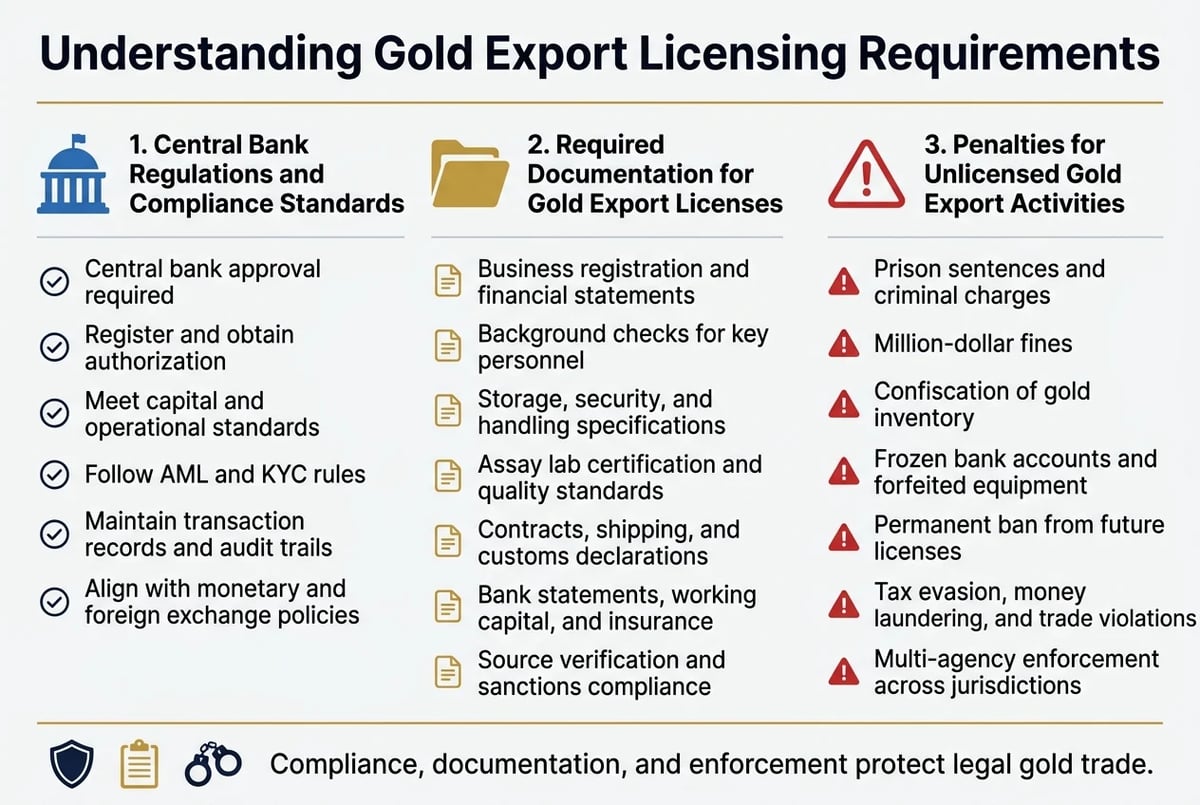
1. Central Bank Regulations and Compliance Standards
- Central bank approval required
- Register and obtain authorization
- Meet capital and operational standards
- Follow AML and KYC rules
- Maintain transaction records and audit trails
- Align with monetary and foreign exchange policies
2. Required Documentation for Gold Export Licenses
- Business registration and financial statements
- Background checks for key personnel
- Storage, security, and handling specifications
- Assay lab certification and quality standards
- Contracts, shipping, and customs declarations
- Bank statements, working capital, and insurance
- Source verification and sanctions compliance
3. Penalties for Unlicensed Gold Export Activities
- Prison sentences and criminal charges
- Million-dollar fines
- Confiscation of gold inventory
- Frozen bank accounts and forfeited equipment
- Permanent ban from future licenses
- Tax evasion, money laundering, and trade violations
- Multi-agency enforcement across jurisdictions
Compliance, documentation, and enforcement protect legal gold trade.
Categories of Legal Gold Trading Operations
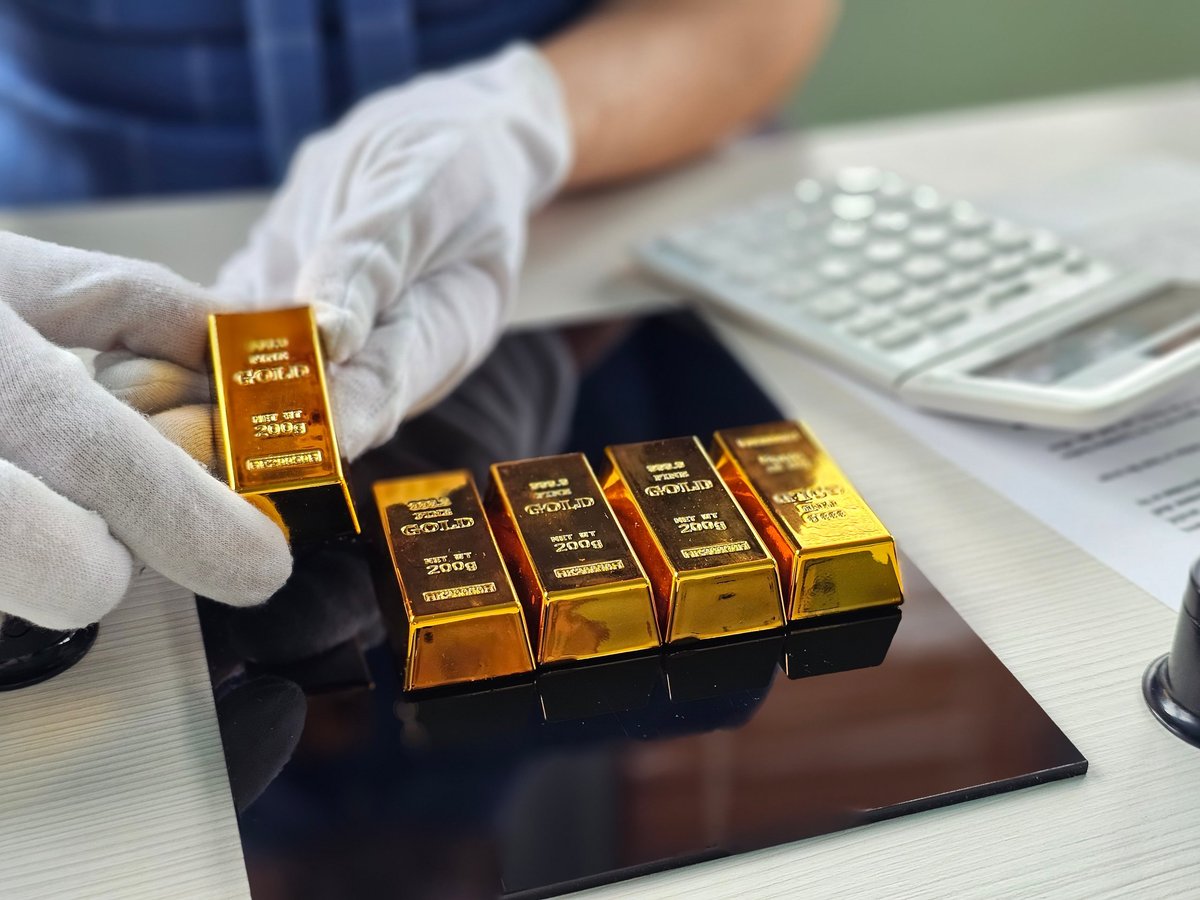
1. Domestic Gold Trading Without License Requirements
Gold bullion bars and ingots
Gold bullion coins
American Gold Eagle · Canadian Gold Maple Leaf · South African Krugerrand
Gold jewelry trading
2. Import and Export License Obligations
- Cross-border gold trading requires licensing
- Documentation of purity, weight, and destination
- AML compliance and transaction records
- Insurance and secure transportation
3. Mining Company Export Arrangements Under Development Contracts
Development contracts with host governments
Predetermined quotas, quality specs, and buyers
Environmental, labor, and revenue transparency compliance
Streamlined export arrangements for extraction-based operations
Verified Licensed Gold Exporters by Region

Papua New Guinea Licensed Alluvial Gold Exporters
BPNG licensed under Central Banking (Foreign Exchange and Gold) Regulation 2000
Global Gold Doré Exporters and Suppliers
96–98% purity · 23+ carat fineness
50 kg to several thousand kilograms
Companies Prohibited from Gold Export Activities
Not issued GEL in 2020 — prohibited from exporting gold
Verification protects buyers, supports compliance, and maintains market integrity
Benefits of Working with Licensed Gold Exporters
Compliance, Quality, and Global Market Access

Regulatory Compliance and Legal Protection
- IEC, GSTIN, and RCMC registrations
- Export licensing and proper documentation
- KPCS compliance for rough diamonds
- Marine and cargo insurance
- Lower legal and customs risk
Quality Assurance and Reliability Standards
- Mandatory inspections and certificates
- Standardized procurement, processing, and packaging
- Traceability for origin and purity
- Duty drawback and metal loan procedures
- Consistent product quality
Established Distribution Networks and Market Access
- Connections with international buyers
- Trade fairs, buyer-seller meetings, and B2B platforms
- Banking support and foreign exchange processing
- Packing Credit and PSCFC options
- Market intelligence and export guidance
How to Identify and Verify Legitimate Gold Exporters

1. Check Official Banking Authority Lists
- Registered and authorized gold trading entities
- Complete details: business registration, address, contact info
- Regularly updated licensing and compliance status
- Capital requirements and financial reporting
2. Use Trade Intelligence Platforms
- Aggregate shipping, customs, and registration data
- Search by export volume, destination countries, and trading history
- Real-time updates on regulatory changes and sanctions lists
- Risk assessment scores gauge
3. Evaluate Export History and Shipment Records
- Bills of lading, customs clearance certificates, and insurance records
- Consistent export activity across multiple years
- Steady export volumes and diversified destinations
- Assay certificates: 99.9% to 99.99% gold purity
- Insured shipping and tracking information
Transparent records and verified documentation
distinguish legitimate exporters